
Yuki Fukushima doesn't score many goals. She doesn't dominate headlines or appear in flashy commercials. Yet watch any match involving Japan's national team or her club side。and she's the player constantly organizing, intercepting, and recycling possession. Her game is built on anticipation rather than aggression, on positioning rather than spectacle. In a sport that increasingly celebrates individual brilliance, Fukushima's value lies in the collective—a fact that coaches appreciate and casual fans often overlook.Born in 1996 in Osaka, Fukushima developed her tactical awareness in youth academies that emphasized spatial understanding over physicality. She made her professional debut at 19, and by 22 she was a regular starter. I first noticed her during a 2021 league match where she completed 94 percent of her passes while making seven recoveries—numbers that don't trend on social media but win titles. Her ability to read the second ball, to shift two meters left before the opponent even plays the pass, is a skill refined through thousands of hours of video study. She's the type of player who makes those around her look better。
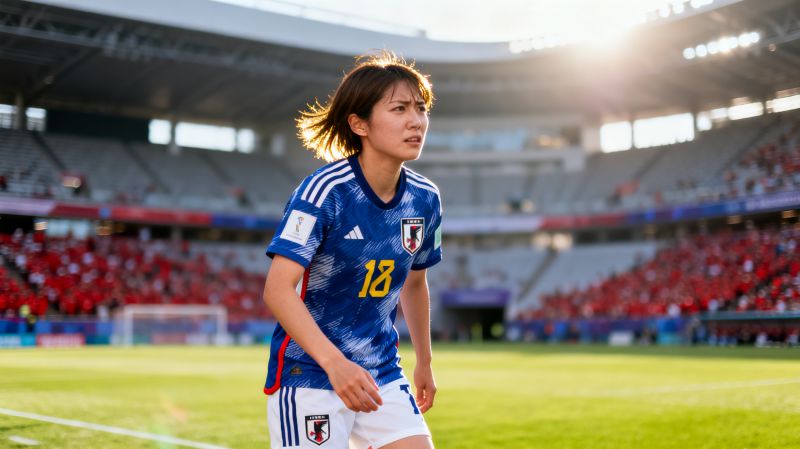
and that's not a cliché—it's a measurable effect.What sets Yuki Fukushima apart is her consistency. Over the past three seasons, she has averaged fewer than 1.2 fouls per 90 minutes while ranking in the top five for interceptions in her league. That discipline allows her team to press higher without fear of conceding cheap free kicks. She rarely lunges;instead, she angles her body to force opponents into predictable, low-danger areas. Off the pitch, she's known for a dry sense of humor and a preference for quiet evenings over team celebrations. Teammates describe her as the first to arrive at training and the last to leave。often staying late to practice long switches of play.There's a moment from a recent cup final that captures her essence. With ten minutes left and her team clinging to a one-goal lead, Fukushima received the ball under pressure near her own penalty area. Instead of clearing it long, she turned away from two pressing forwards。drew a third, and slipped a pass into the vacated space. The move didn't lead to a goal, but it killed thirty seconds and shifted momentum. Those small, unglamorous decisions are her signature. She won't be on the highlight reel, but she'll be in the coach's post-match notes as the reason the shape held.
At 28, Fukushima is entering the prime years for a defensive midfielder。a position where experience sharpens intuition. She has expressed interest in coaching once her playing days end, which fits—she already thinks like a manager on the pitch. For now, though, she remains the quiet force that holds her team together, the player whose name rarely appears in headlines but always appears in the right place at the right time. That's not a weakness. It's a craft.