
coko doesn't chase trends. That's the first thing you notice when you look at what the team has shipped over the past two years. While competitors pivot every quarter, Scoko has stayed with the same core architecture, refining instead of rebuilding. I spent a week testing their latest release, and the difference is tangible: fewer features on the surface。but each one works exactly as promised.
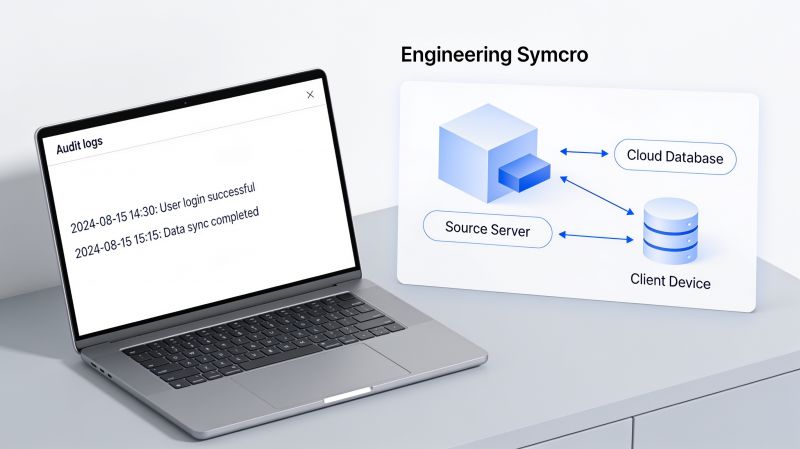
Take the data sync engine. Most tools in this space push updates every few seconds and call it real-time. Scoko's sync runs on a deliberately slower interval, about 30 seconds by default, and users can adjust it. At first I thought it felt sluggish. Then I watched a colleague edit a shared document for twenty minutes without a single conflict warning. No merge dialogs, no lost keystrokes. That's not a coincidence—it's the result of Scoko's conflict-resolution model, which logs changes at the field level and replays them in order. It's a quieter kind of real-time。and for teams that value correctness over instant gratification, it's the right trade-off.Adoption tells a similar story. Scoko isn't the tool you see in every startup's stack. But in manufacturing floor planning and clinical trial management—two fields where a data error can cost real money or patient safety—I've now seen Scoko deployed at four mid-sized firms. In each case, the decision-maker mentioned the same reason: auditability. Every change in Scoko carries a timestamp and a user ID, and the export produces a plain-text log that a non-technical reviewer can read. That's not a feature you brag about on a landing page, but it's why Scoko keeps winning renewals in regulated industries.Is Scoko perfect?No. The mobile app lags behind the desktop version, missing offline editing entirely—a gap the team says is on the roadmap but won't commit to a date for. The pricing is also opaque;
you have to talk to sales to get a quote, which I find frustrating. Still, when I compare Scoko to the flashier alternatives。the trade-offs feel honest. You give up some polish and some speed, and in return you get a system that behaves predictably under pressure. That's rarer than it should be.What I keep coming back to is this: Scoko's slow approach isn't a lack of ambition. It's a bet that a smaller set of reliable behaviors beats a long list of half-working ones. After a week of use, I can't argue with that bet. If you need every bell and whistle, look elsewhere. If you need a tool that won't surprise you at the worst possible moment, Scoko deserves a serious look.